

Do you worry about your estate

Qisheg Wu
Do you worry about your estate?
Do you ever find yourself wondering what would happen to your home, savings, or personal belongings if something unexpected happened to you—but then push the thought away because it feels uncomfortable or overwhelming? You’re not the only one. Many people assume “estate planning” is only for the very wealthy or something to deal with much later in life. In reality, almost everyone has an estate, and almost everyone has something—or someone—worth protecting.
This post is for everyday adults who have worked hard to build what they have: a home, a bit of savings, maybe some investments or life insurance. We’ll walk through what your “estate” really is, why it’s completely normal to worry about it, what can happen if you don’t make a plan, and a few simple steps you can take to turn that worry into a sense of control and peace of mind.
What is your “estate,” really?
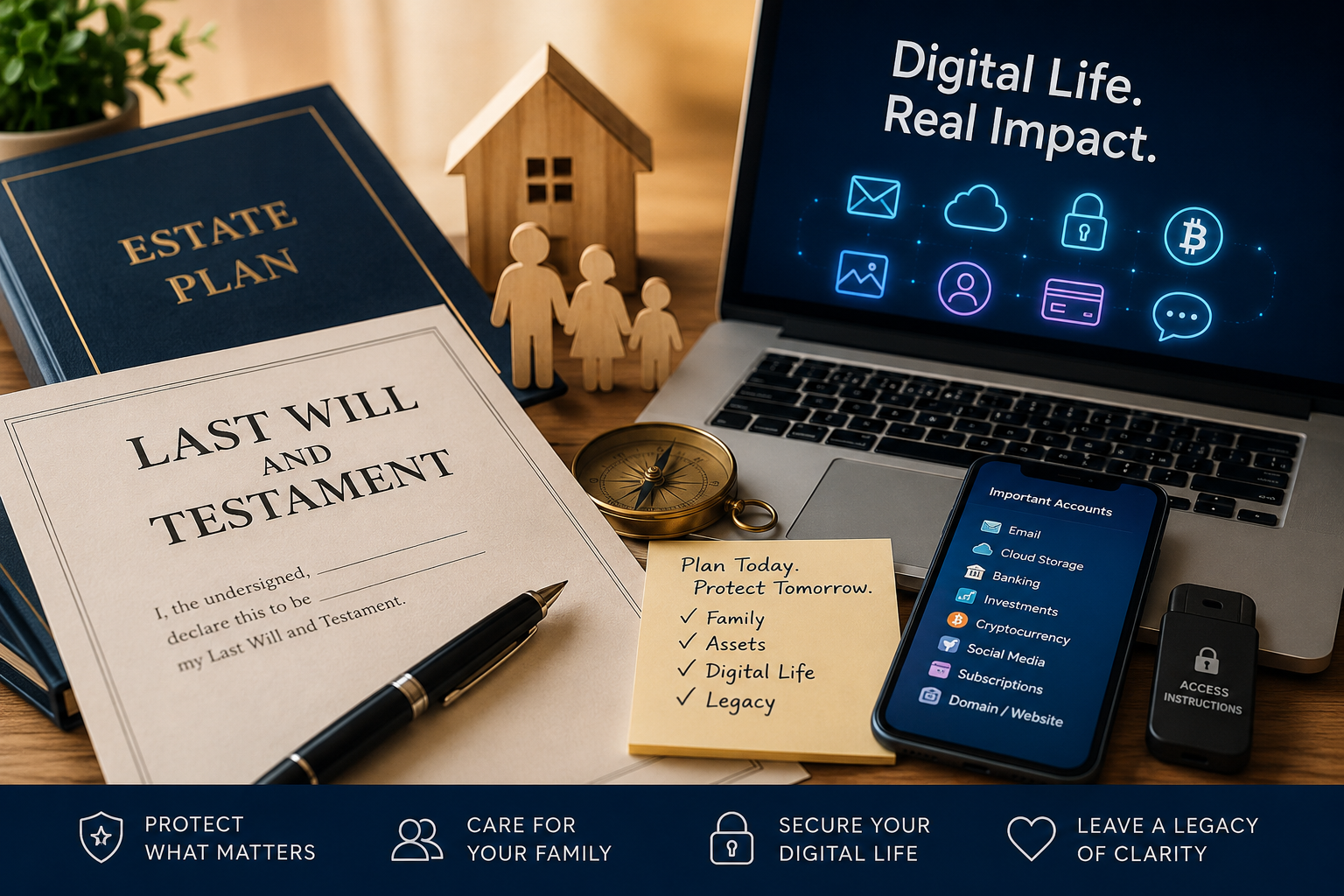
When you hear the word “estate,” you might picture mansions, business empires, and complex legal documents. In reality, your estate is simply everything you own and everything you owe. That can include your home, car, bank accounts, retirement savings, life insurance, personal possessions, and even things like digital accounts and sentimental items.
If you have any assets, debts, or personal wishes about who should receive what, you already have an estate. Estate planning is just about deciding, in advance, how you want those things to be handled—and making it easier for the people you care about.
Why it’s normal to worry about your estate
That quiet, nagging thought—“I really should get my affairs in order”—is common, especially as you buy a home, start a family, or get closer to retirement. Worry often comes from caring: caring about your partner, your children, your relatives, or even a close friend or charity you’d like to support.
Instead of seeing this worry as something to avoid, you can view it as a helpful signal. It’s your mind’s way of saying, “It’s time to put some basic protections in place.” When you listen to that signal and take a few small steps, the worry usually becomes more manageable—and often fades.
What can happen if you don’t make a plan?
If you pass away without leaving clear instructions, the law in your area will usually decide who receives your property and in what order. That process might not match your personal wishes or your family’s reality. It can also create delays, extra paperwork, and added stress for the people handling your affairs.
Without a plan, loved ones may be left guessing what you would have wanted, which can sometimes lead to confusion or even conflict at an already difficult time. A basic estate plan doesn’t need to be complicated, but it can go a long way toward reducing uncertainty and protecting the people you care about.
Simple first steps to start estate planning
You don’t have to tackle everything at once. You can start with a few straightforward actions:
- Make a list of what you own and owe. Include your home, bank accounts, retirement plans, insurance policies, loans, and any items that matter to you.
- Think about who you trust. Consider who you would want to handle your affairs and who you would like to receive certain assets or keepsakes.
- Talk to the people who matter. Let your loved ones know that you’re thinking about these issues and, when you’re ready, share your general wishes with them.
- Consider getting professional guidance. Speaking with an estate planning professional can help you turn your ideas into simple, clear documents that reflect your wishes.
Even taking one of these steps can make the topic feel less intimidating and more under your control.
The peace of mind that comes with a plan
Ultimately, estate planning is less about money and more about care. It’s about caring for the people who may outlive you, and caring enough about your own values to make sure they’re honored. When you put a basic plan in place, you give your loved ones clarity during a difficult time and reduce the burden they might otherwise face.
Instead of carrying a vague sense of worry about your estate, you can know that you’ve taken thoughtful steps to protect what you’ve built and the people who matter most. That peace of mind is often the greatest benefit of all.